Welding holds most fabricated products together, so choosing the right process matters. The two most common methods, MIG and TIG, suit different jobs.
MIG welding
MIG (metal inert gas) welding feeds a wire electrode continuously through the torch. It is fast, consistent and well suited to thicker steel, structural frames and higher-volume production where speed keeps costs down.
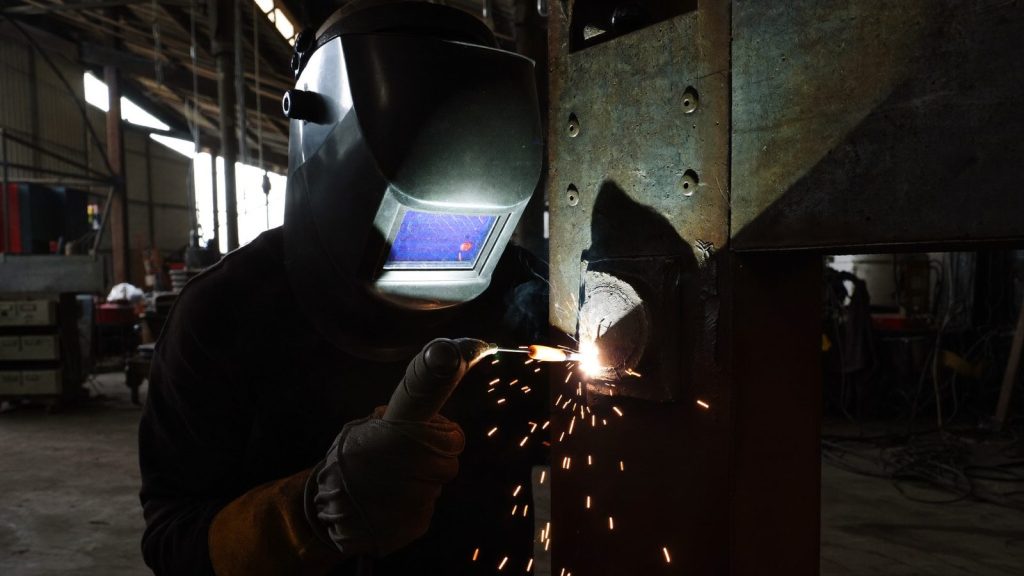
TIG welding
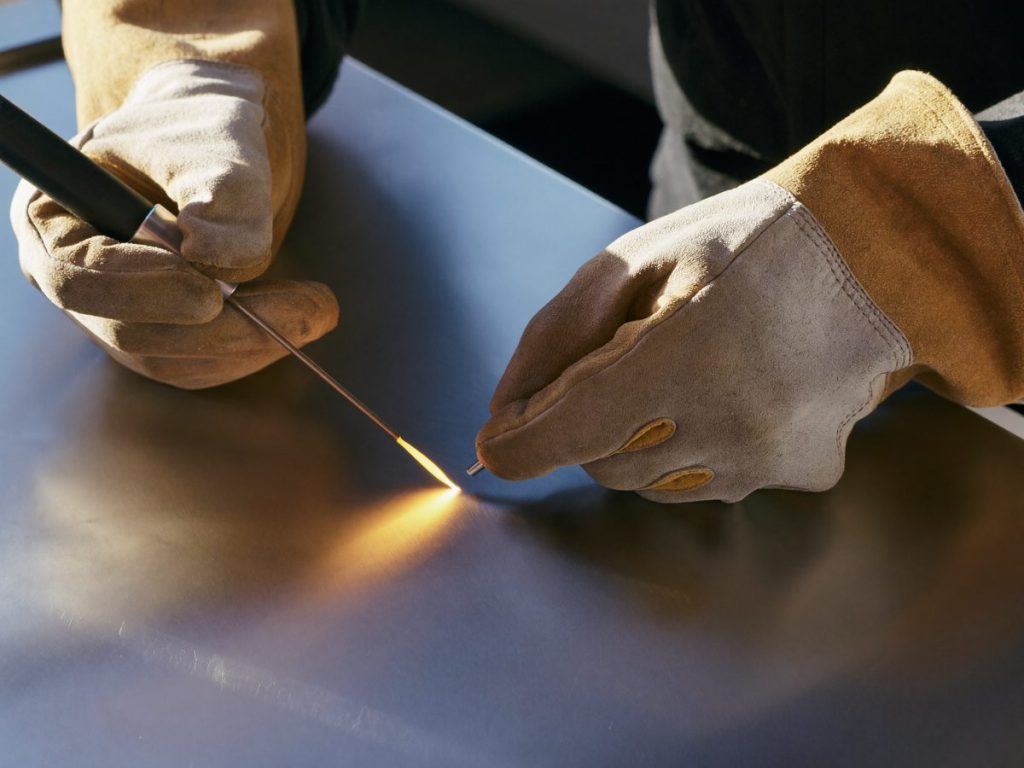
TIG (tungsten inert gas) welding uses a non-consumable tungsten electrode, with filler added by hand. It is slower, but gives precise, clean welds on thin sheet, stainless steel and aluminium, where appearance and accuracy matter.
Which should you choose?
- Choose MIG for structural work, thicker material and production runs.
- Choose TIG for thin sheet, stainless steel, aluminium and visible welds.
- Use fixtures for repeat parts, so every weld lands in the same place.
Welding at Edge Line
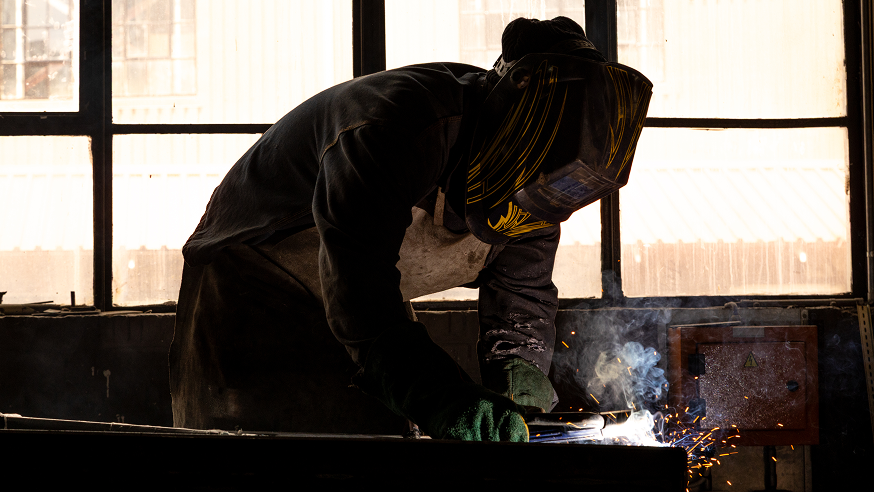
Our welders work in both processes, on steel, stainless steel and aluminium, and our fixture-based welding keeps repeat parts consistent. Talk to us about the right approach for your components.